Tag: finance

  • MICROSOFT Stock Recoveries: Post Correction Lessons

    MICROSOFT Stock Recoveries: Post Correction Lessons

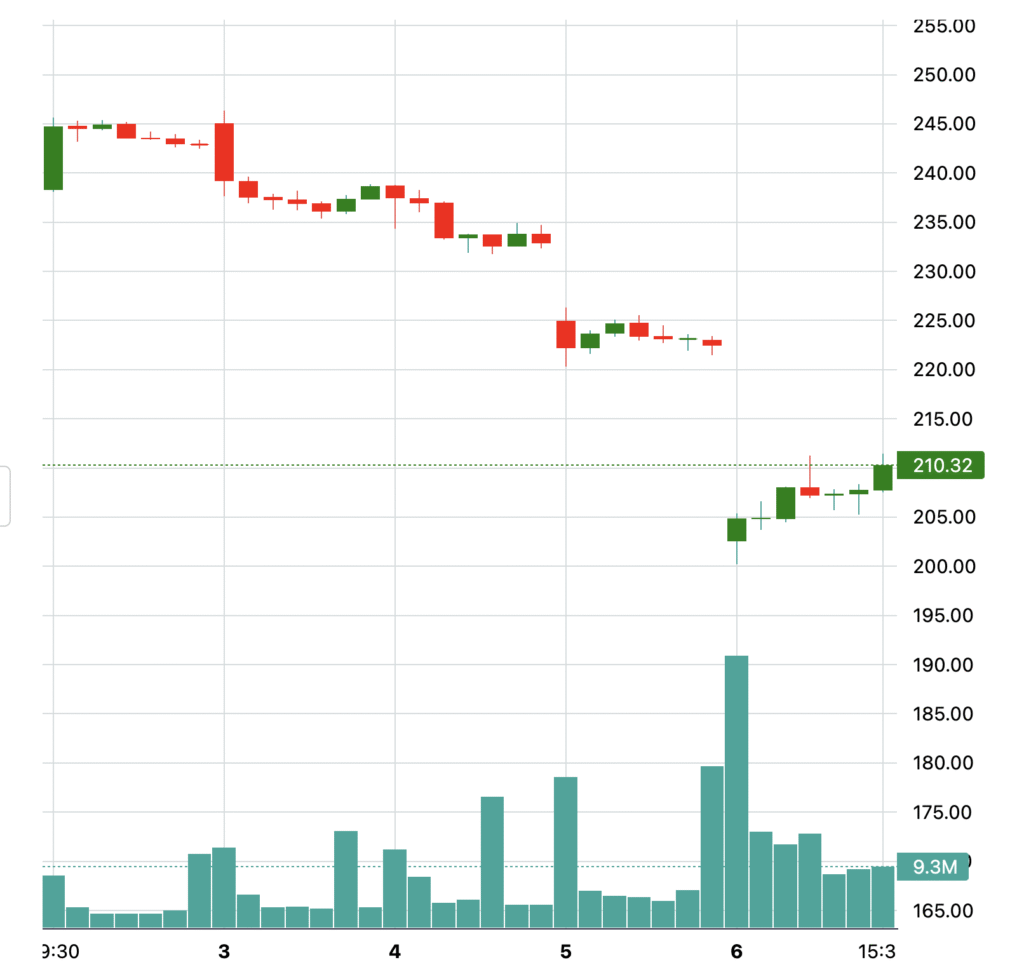
    Sharp corrections in Microsoft (MSFT) stock, like the recent ~10-12% intraday plunge on January 29, 2026, amid AI capex concerns and softer Azure growth guidance, often precede strong rebounds. Historical charts reveal consistent patterns of recovery over quarters and a year post-drop, offering optimism for investors. This analysis uses attached 1-year charts from two key past events to illustrate resilience.

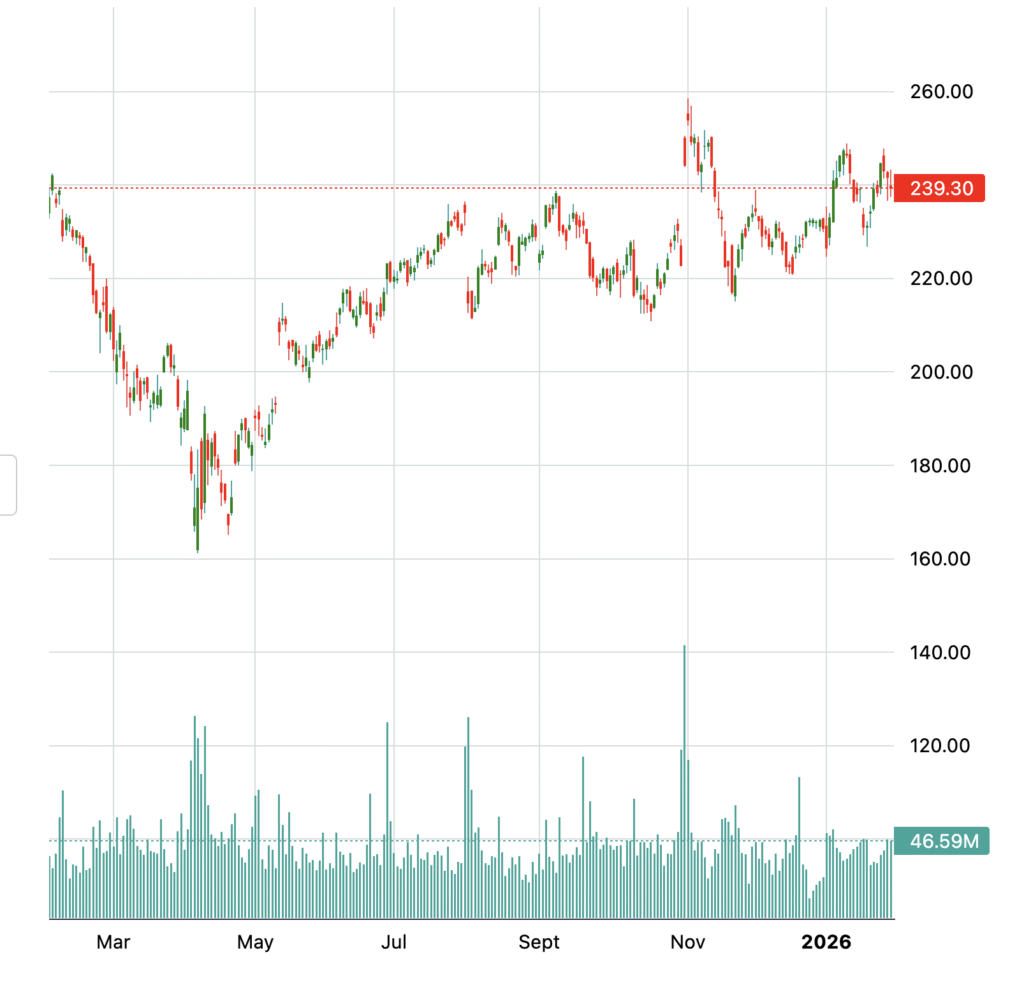
    September 3, 2020: Sell-off triggered by CEO Satya Nadella’s $75M share sale

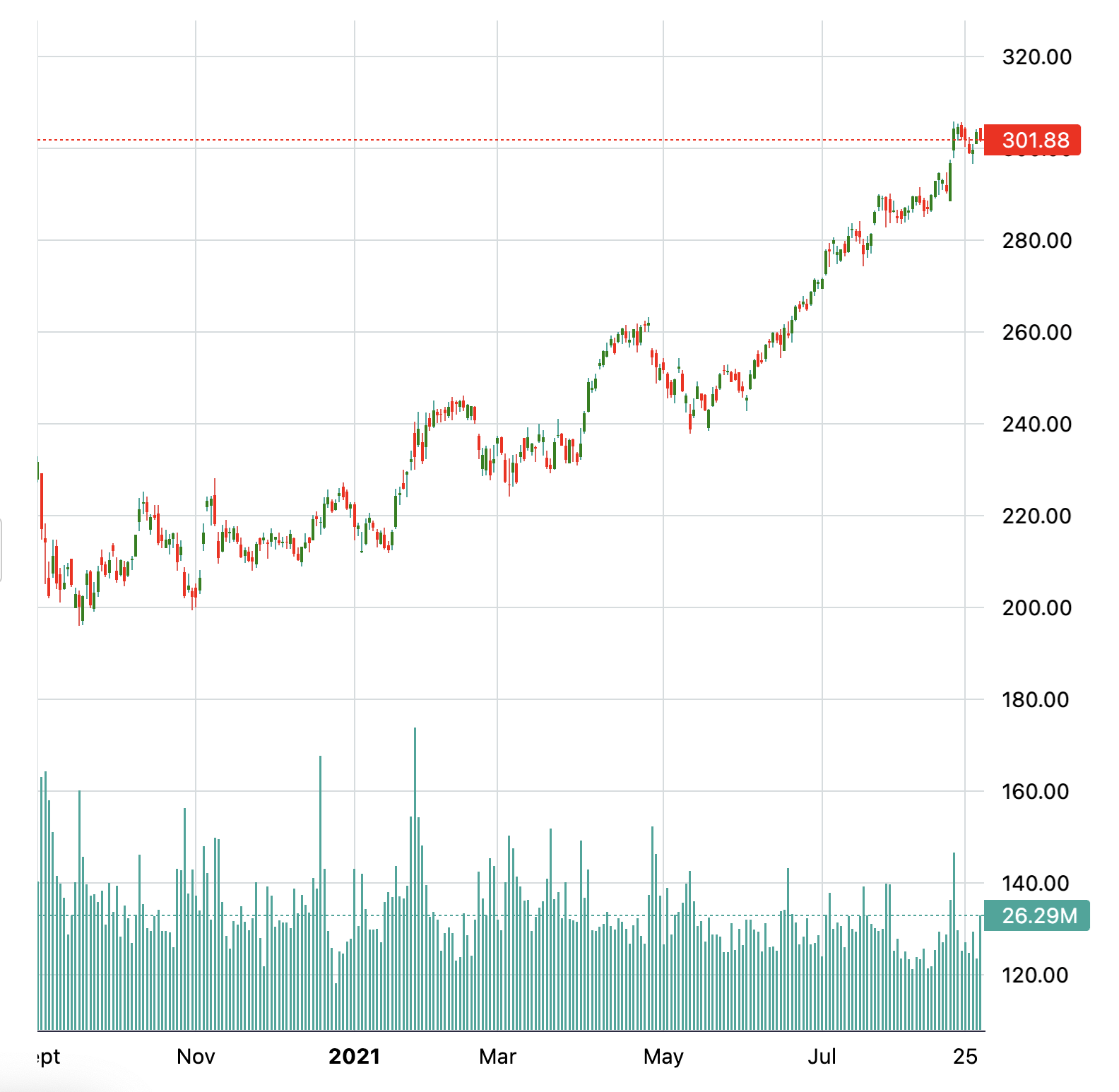
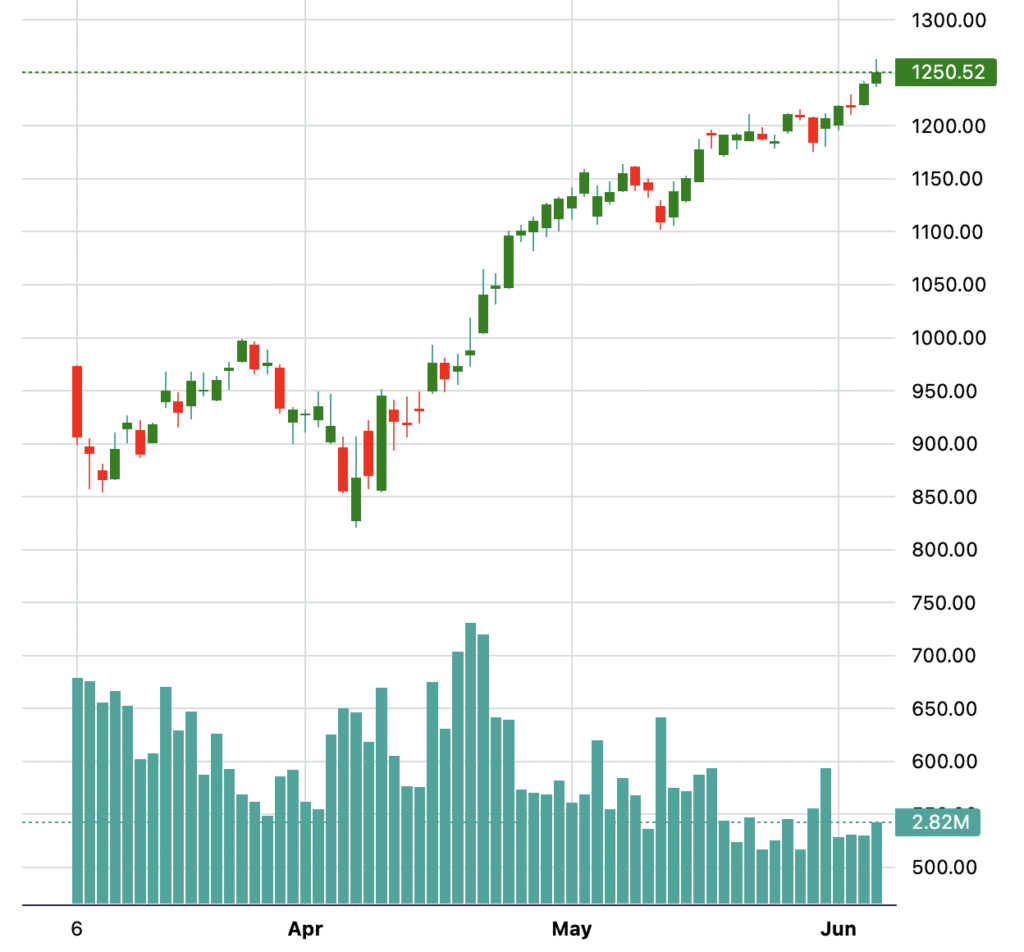
    MSFT stock dropped ~6% on September 3, 2020—followed by another 5% decline on September 8—amid a broader tech sell-off sparked by CEO Satya Nadella’s $75M share sale (a pre-planned 10b5-1 trade). High volume (58M shares) intensified the pullback from recent highs.

    MSFT stock price drop 1

    From the drop close, MSFT gained ~25% in one quarter, ~40% in two quarters, and ~55%+ after one year, outperforming broader indices amid remote work tailwinds.

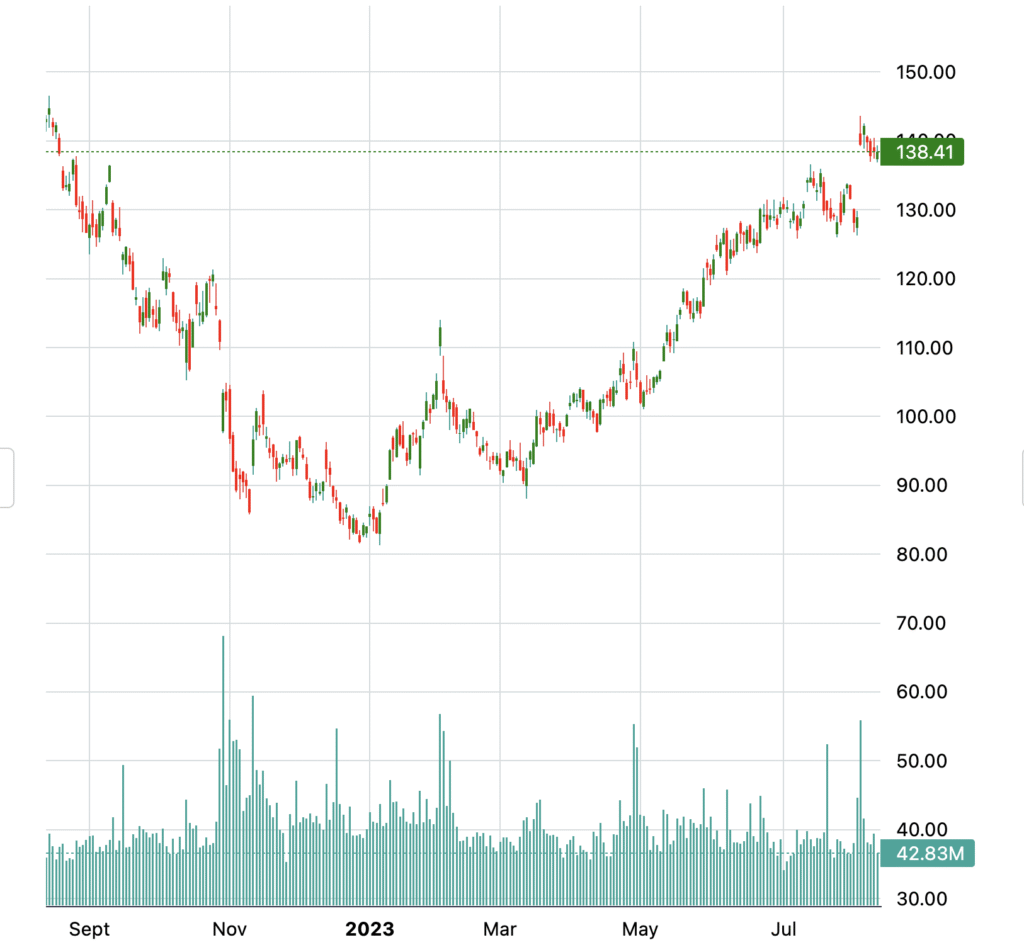
    October 26, 2022: Post-Earnings Pullback

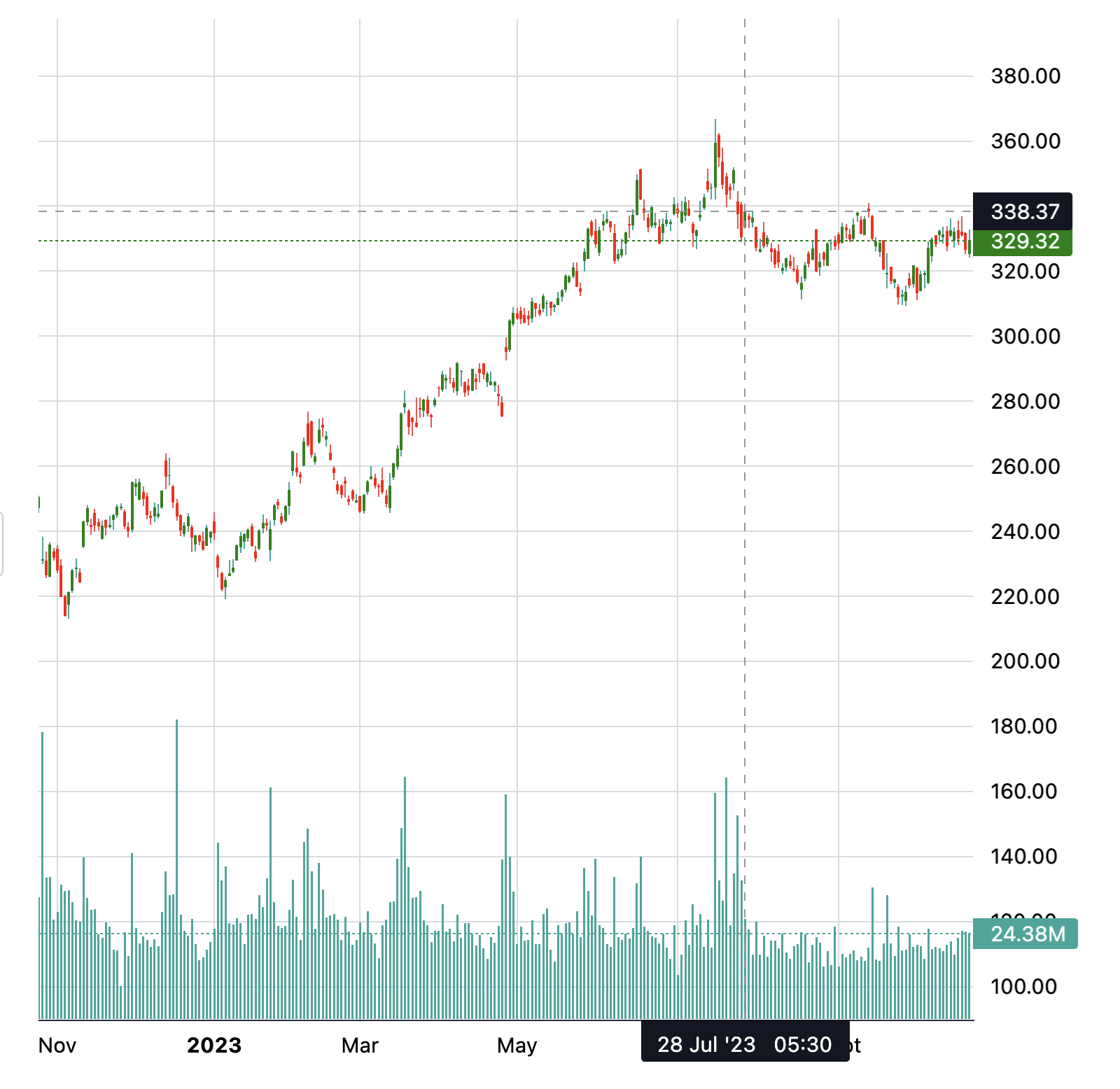
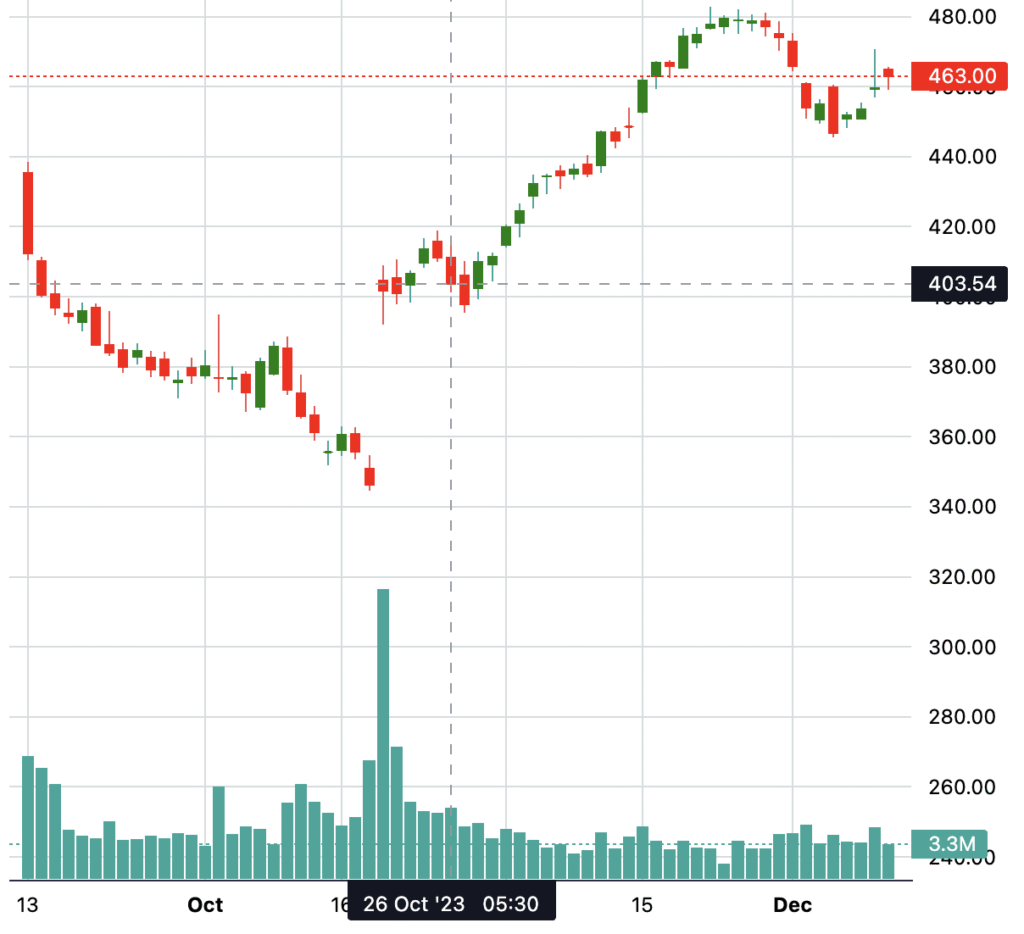
    Around October 26, 2022, MSFT corrected ~8% from recent highs, tied to broader market weakness and earnings digestion after a strong 2022 run. The 1-year chart captures a V-shaped recovery, climbing ~40% by late 2023 as AI hype built around Copilot and Azure.​

    MSFT stock price drop 2

    Key metrics: ~20% rebound in one quarter, ~30% in two, and ~40% at the one-year mark, fueled by enterprise AI adoption.

    Performance Comparison Table

    Event DateDrop %1Q Later2Q Later1Y Later
    Sep 3, 2020-6%+20%+40%+55%+
    Oct 26, 2022-10%++20%+30%+40%
    Jan 29, 2026-10%TBDTBDTBD

    Outlook for 2026 Correction

    These precedents suggest MSFT’s quality business—bolstered by Azure, Office, and AI leadership—drives post-correction upside, often 20-60% over a year despite short-term volatility. The recent drop, erasing $350B+ in market cap, mirrors 2020’s scale but occurred from all-time highs, positioning for similar gains if AI investments pay off. Investors may view this as a buying opportunity, per analysts maintaining overweight ratings. Track upcoming quarters for Azure acceleration.

    Disclaimer

    investment recommendations, or an endorsement of any trading strategy. Past stock performance does not guarantee future results. Stock price data is sourced from public financial databases. Always conduct your own research and consult a qualified financial advisor before making investment decisions. The author assumes no liability for any actions taken based on this content

  • How Oracle’s stock price behaved after big moves in the past

    How Oracle’s stock price behaved after big moves in the past

    Yesterday, Oracle stock surged an extraordinary 36% in a single day—a historic move for a company of its size—after the company released an impressive earnings report and future forecast that stunned Wall Street. The rally was driven by astonishing growth in Oracle’s cloud backlog and a bullish outlook for its AI-powered infrastructure business, pushing the company toward the $1 trillion market cap club and marking Oracle’s biggest one-day gain since 1992. To understand how Oracle (ORCL) fares in the months that follow these exceptional days, let’s dive into two separate years when the stock posted a standout single-day gain, examining the subsequent one-year price action as shown in the chart images provided.

    Oracle’s Big Move and the Year that Followed (13th March 2020) – 20.43% single-day gain

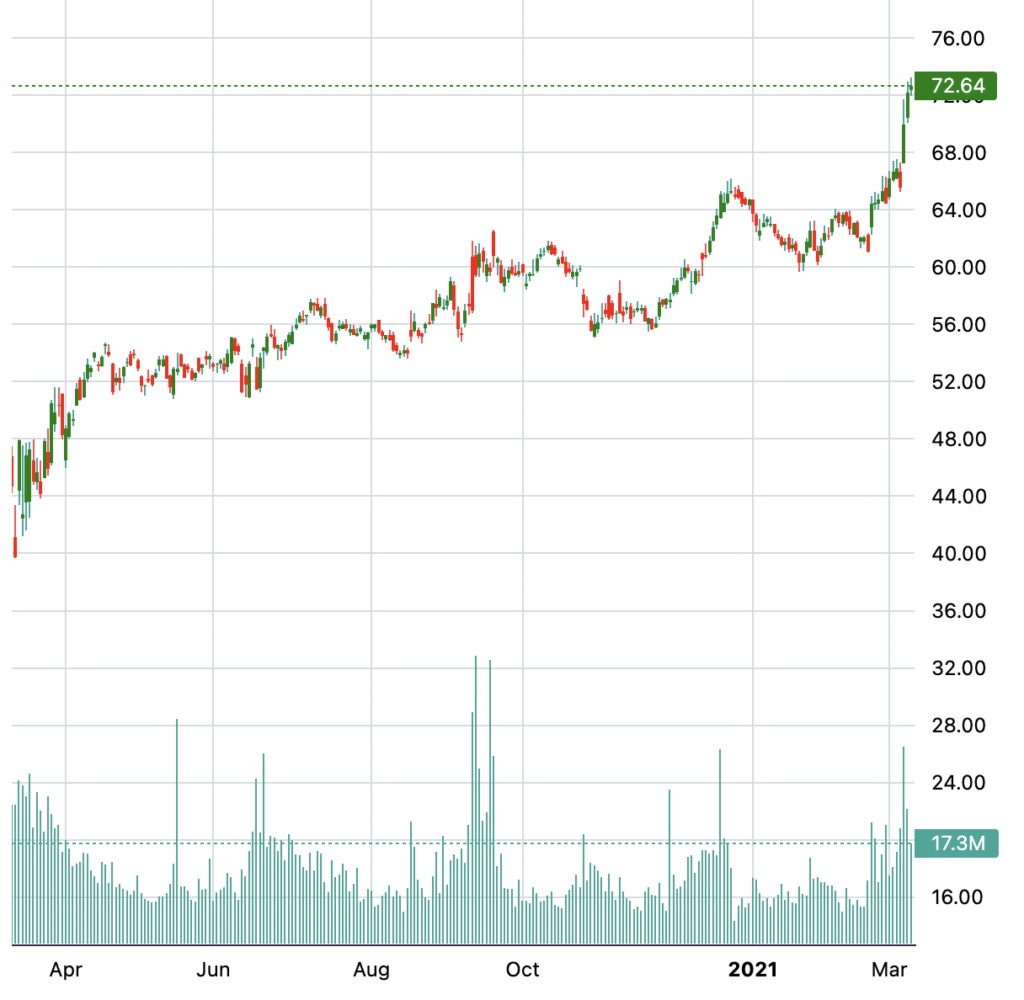
    In the first instance, captured in the initial chart, Oracle’s share price broke out with a sharp rally, pushing up to the $70s—closing at around $72.64 on a surge of high trading volume. This breakout, occurring around the spring of 2020, typically signals renewed investor confidence, often tied to blowout earnings, product launches, or optimistic forward guidance.

    Instead of a one-day wonder, this move sparked a sustained bullish trend over the next year. The price action following the large green candlestick reveals:

    • Steady Uptrend: After the initial spike, Oracle’s stock continued to grind higher, respecting short-term pullbacks but ultimately holding above key support zones.
    • Healthy Consolidation: Throughout the summer and into early fall, the price consolidated, forming a series of higher lows. This behavior is typical of strong bull runs, where periods of sideways movement help reset the technical setup before the next leg higher.
    • Second Wind: As the year progressed, buying activity accelerated, with the stock not only maintaining its gains but also surging to new highs, supported by consistently elevated volume throughout pivotal sessions. By the end of the chart’s timeframe, Oracle’s price eclipsed $70, closing near session highs—a clear indicator that investors who bought during the breakout would have seen substantial appreciation had they held their positions.

    Oracle’s Post-Surge Behavior (10th December 2021) – 15.61% single-day gain

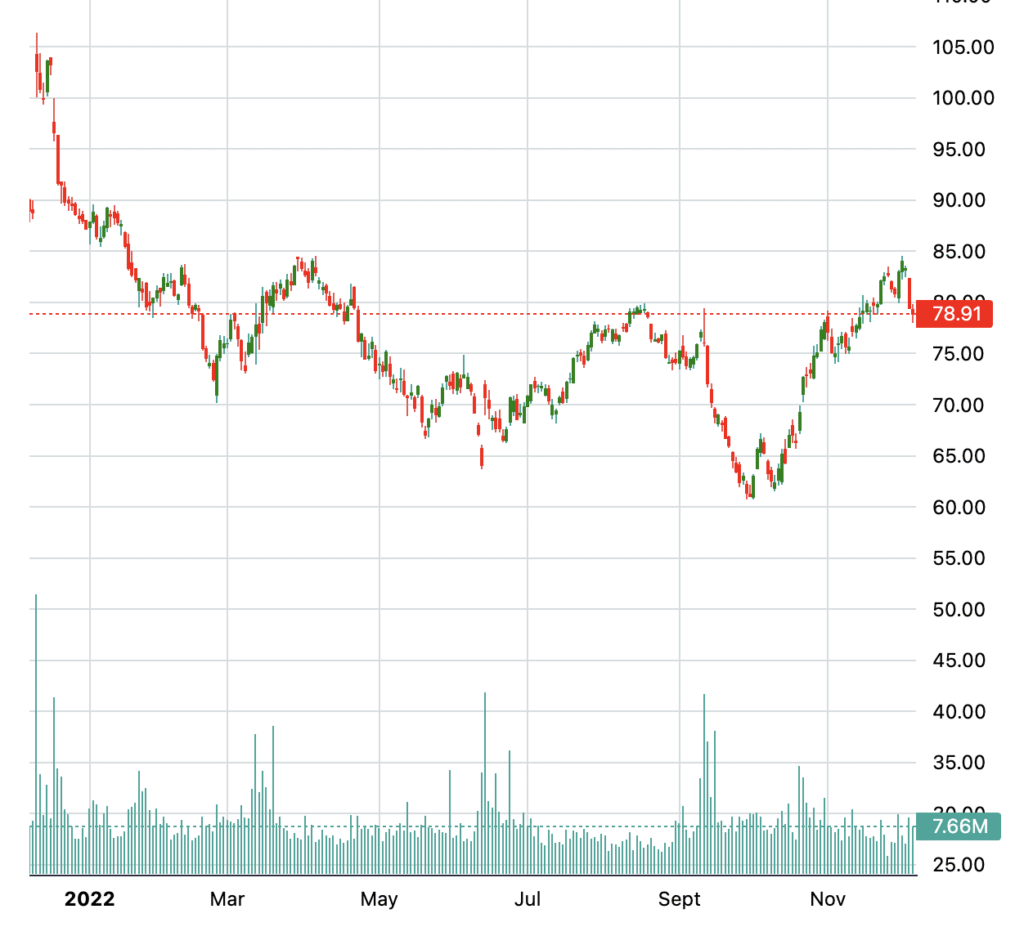
    The second chart offers a contrasting, equally insightful example. In this case, Oracle saw a remarkable one-day jump at the onset of 2022, breaking above $90 but, as the year played out, the mood shifted. Key observations from the second one-year period after the high single-day gain include:

    • Downtrend Pressure: Shortly after the big move, Oracle’s momentum faded. The stock rapidly lost altitude, sliding below $80 within the first several months. Persistent downtrends like this can result from a challenging macro environment, valuation concerns, or shifts in growth expectations.
    • Volatility and Recovery Attempts: The year was riddled with failed rallies and volatile swings. While ORCL made several attempts to rally back toward its previous highs, each bounce met resistance, resulting in more complex price patterns. A significant dip tested investor resolve in the summer months, with shares dropping toward the $65 area.
    • Late-Year Bounce: Despite a tough start, Oracle shares showed resilience later in the year. A determined rally pushed the stock back to the high $70s and low $80s by November—demonstrating the company’s underlying strength and the willingness of long-term investors to step in at perceived value levels.

    Key Takeaways for Investors

    Analyzing both periods reveals several important insights for Oracle shareholders and market watchers:

    • Sustained Momentum Can Vary: A major single-day gain doesn’t uniformly guarantee a smooth uptrend. In some years, like the first charted period, momentum builds and pushes prices to new highs. In others, like 2022, profit-taking and broader market factors can erase the initial excitement.
    • Volume Confirmation Is Critical: Both charts show spikes in trading activity on breakout days, affirming institutional interest. Sustained volume on up days often predicts better follow-through.
    • Volatility Is the Norm: Post-breakout periods are marked by volatility. Even when the broader trend is positive, there can be multi-month stretches of choppy or declining action. Patience is vital.
    • Buying on Strength vs. Waiting: Investors must decide whether to chase a strong breakout or wait for follow-through and consolidation. Both approaches had periods of success but required discipline and clear exit strategies.

    Conclusion

    Oracle’s action in the year after a major single-day gain highlights the complexities and opportunities in momentum investing. While some years rewarded quick and patient holders alike, others demanded adaptability and a long-term perspective amid bumps, corrections, and eventual rebounds. For those tracking Oracle, these historical patterns suggest that understanding the context behind big moves—and being prepared for both sustained gains and volatility—remains crucial when navigating this blue-chip tech stock.

    Disclaimer:
    The information, analysis, and images presented in this article are intended solely for educational and study purposes. While every effort has been made to ensure the validity and accuracy of the data, the author does not guarantee the completeness or correctness of any information, and charts should be interpreted as illustrative examples only. Stock price movements are subject to numerous unpredictable factors, and past performance does not ensure future results.

    Readers are strongly encouraged to conduct their own due diligence and consult with a qualified financial advisor before making any investment decisions. The content herein does not constitute investment advice or a recommendation to buy or sell any securities. Always use independent judgment and consider your individual financial goals and risk tolerance when analyzing stock trends and opportunities.

  • Intel earnings – headcount to drop to 75,000 – but have layoffs helped in the past?

    Intel earnings – headcount to drop to 75,000 – but have layoffs helped in the past?

    Intel, once the uncontested titan of semiconductors, has undergone significant restructuring over the past decade in a bid to restore its competitive edge and profitability. Among the most dramatic of these moves has been a series of large-scale workforce reductions. In this blog, we examine whether these aggressive layoffs have delivered the intended positive impact on Intel earnings, digging into the numbers and underlying trends.

    1. Intel’s Layoff Timeline: An Overview

    Intel reduced its workforce in several waves:

    • 2023–2025: Most notable rounds, with approximately 15% of employees cut annually in 2024 and 2025(ongoing). Headcount expected to drop from nearly 125,000 to 75,000.
    • Early 2020s: Several smaller layoffs and efficiency pushes, generally less than 5% of employees at a time.

    These layoffs were part of broader cost-cutting drives, amid declining market share and intense competition from AMD and Nvidia.

    2. The Rationale: Why Cut Jobs?

    Intel’s leadership repeatedly cited the need to reduce expenses, streamline management, and fund future technology bets as reasons for job cuts. The goal was simple: improve margins and return to profitable, revenue-generating growth after years of stagnation and strategic missteps which will eventually improve Intel earnings.

    3. The Earnings Record: What Do The Numbers Say?

    intel earnings

    Let’s examine key data from Intel’s most recent and substantial layoff periods, focusing on the financial impact.

    Table: Intel Annual Employee Count (2020–2025)

    YearWorkforce (End-Q2)Revenue (B USD)Net Income/Loss (B USD)EPS (USD)Major Layoffs?
    2020~110,60019.75.11.19No
    2021~121,10019.65.11.19No
    2022~131,90015.31.00.25No
    2023~124,80012.9-1.6-0.41Minor
    2024~108,90012.8-1.6-0.43Yes (15%)
    2025(proj)~75,00012.8-2.9-0.77Yes (15%)

    Note: 2025 numbers reflect projections and reported ongoing mass layoffs but will be finalized at year-end.

    Immediate Impact on Intel earnings

    • 2024–2025 Losses: Despite headline-grabbing layoffs, Intel’s net losses expanded: from -$1.6B in Q2 2024 to -$2.9B in Q2 2025. EPS also worsened.
    • 2025 Charges: Layoffs and restructuring accounted for $1.9B in charges in Q2 2025 alone—swamping any labor cost savings realized during the period.
    • Revenue Plateau: Revenue remained flat at $12.8–$12.9B, suggesting that layoffs failed to jumpstart growth .

    Market Reaction

    Intel’s stock rose modestly (about 3%) on initial layoff announcements, reflecting optimism about eventual cost savings, but shares quickly reversed course as earnings reports showed continued losses and one-time charges absorbed any savings.

    4. Precedents: Earlier Layoffs and Financial Performance

    Intel periodically trimmed its workforce over the last decade—but smaller reductions in the early 2020s also failed to manifest as clear profit growth or competitive resurgence.

    • 2016–2019: Workforce reductions and a series of restructurings produced short-term cost savings but did not reverse slumping margins or market share loss.
    • 2020–2022: Despite holding steady or modestly reducing staff, Intel saw sharp drops in profit as R&D underinvestment and tough competition sapped growth.

    5. Why Didn’t Layoffs Spur Profitability?

    Several factors explain the lack of immediate lift in Intel earnings:

    • Restructuring Costs: Each major layoff resulted in large one-time expenses—$1.9B in Q2 2025—directly dragging down quarterly earnings.
    • Top-Line Pressure: Intel’s fundamental problem has been stagnant or falling sales. Even as employee costs dropped, flat revenues meant savings failed to translate into net profit .
    • Competitive Weakness: The loss of market share to AMD, Nvidia, and new AI chipmakers limited the upside from cost controls. Real profitability gains require robust top-line growth or margin expansion—neither of which layoffs alone could produce.
    • Talent Drain and Disruption: Large layoffs can harm culture, morale, and productivity, compounding execution risks during an attempted turnaround.

    6. The Longer View: Can Layoffs Ever Help?

    Intel’s management insists that cost-cutting—including layoffs—lays the groundwork for a leaner, stronger company. Indeed, workforce reductions can boost margins and profitability if matched with revenue stabilization and improved competitive positioning. However, as the past several years show, layoffs alone—especially amid sagging sales and heavy restructuring costs—do not deliver immediate, data-backed growth in Intel earnings.

    7. Conclusion: Layoffs Offer No Quick Fix

    The evidence is clear: layoffs over the past five years have not produced positive, immediate impacts on Intel earnings. Substantial one-time charges erased near-term savings, while ongoing revenue pressures meant that earnings continued to deteriorate despite a much smaller workforce. Only with sustainable top-line improvement and a proven roadmap rebound can cost reductions translate into real profit gains.

    For now, the layoff story at Intel serves as a cautionary tale: cost cuts alone are not a panacea, and effective turnaround demands a holistic focus on both expenses and growth engines.

    References:
    Q2 2024–2025 Intel earnings press releases and SEC filings.
    Financial data and layoff coverage from Reuters, Bloomberg, and major financial news outlets.

    Disclaimer:
    The data and information presented in this blog are sourced from third-party providers and are for educational and informational purposes only. We do not guarantee the accuracy, completeness, or authenticity of this data. Past performance is not indicative of future results. Always perform your own due diligence and consult with a licensed financial advisor before making any investment decisions. Use this information at your own risk.

  • What happened in the past after EQT Corporation stock fell more than 9% in a day

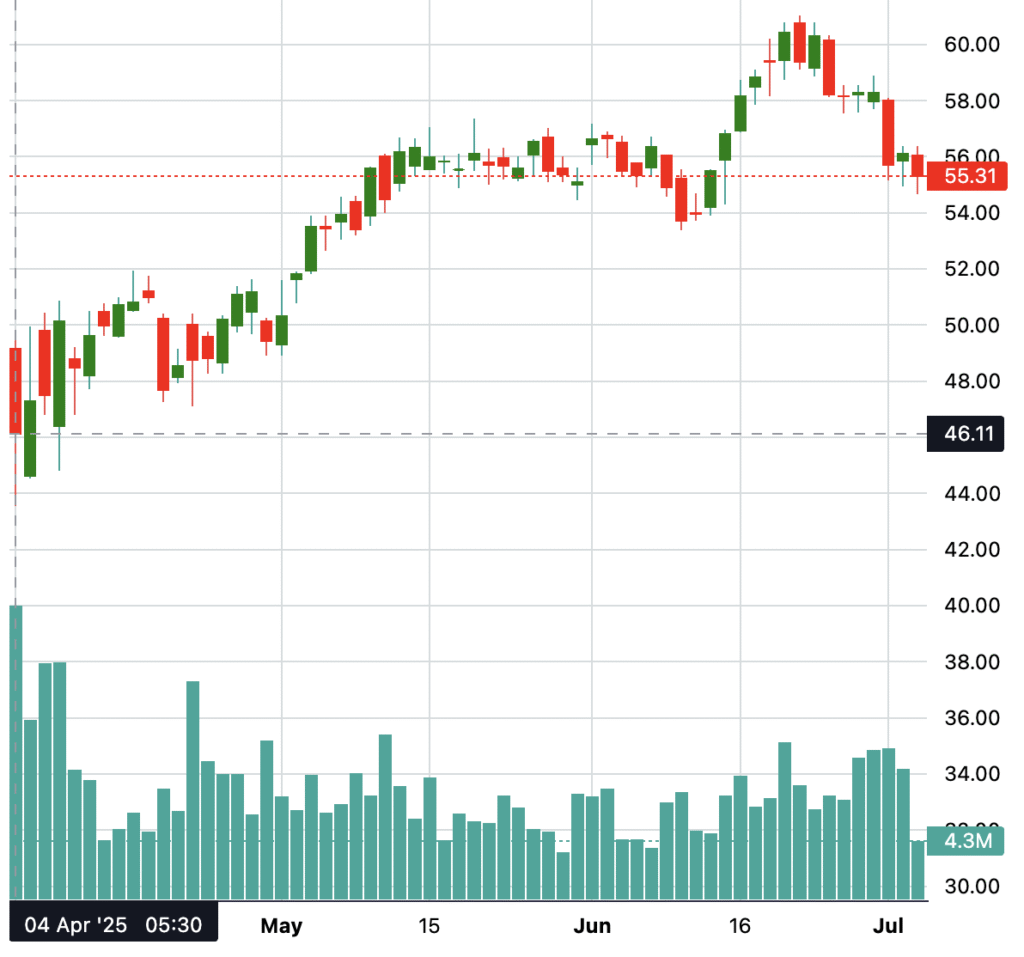
    On Monday, July 21, 2025, EQT Corporation’s share price experienced a sharp decline of over 9%. Such significant intraday drops often make investors wonder: what typically happens in the subsequent months? Do stocks usually rebound, plateau, or continue to decline? To gain insight, let’s analyze historical instances where EQT stock witnessed similar substantial drops and observe how it performed over the next three months.

    Historical Instances of Large Price Drops & Their 3-Month Outcomes

    4th April 2025 (-11.48%)

    On April 4th, 2025, EQT stock plummeted by 11.48%. Curiously, over the following three months, the stock demonstrated a strong recovery, climbing significantly from its low. This scenario suggests that sharp declines can sometimes be followed by a rebound, possibly driven by market correction, investor relief, or sector-specific catalysts.

    27th Jan 2025 (-9.72%)

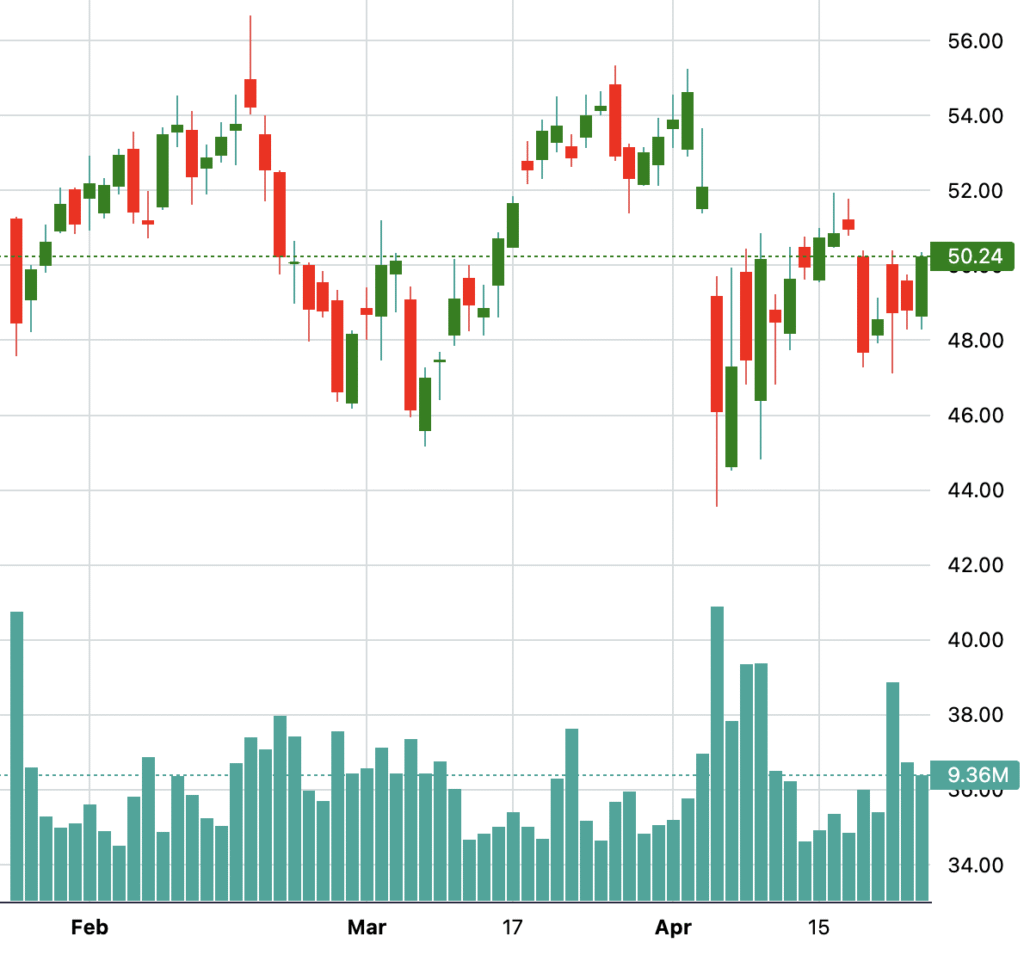
    Just prior, on January 27th, 2025, EQT faced a nearly 10% loss. However, unlike the previous case, the stock displayed a volatile but sideways movement, ending the three-month period close to its starting point. This indicates that not all large drops lead to positive rebounds; instead, many stocks turn into choppy trading ranges, reflecting uncertainty or lack of clear catalysts.

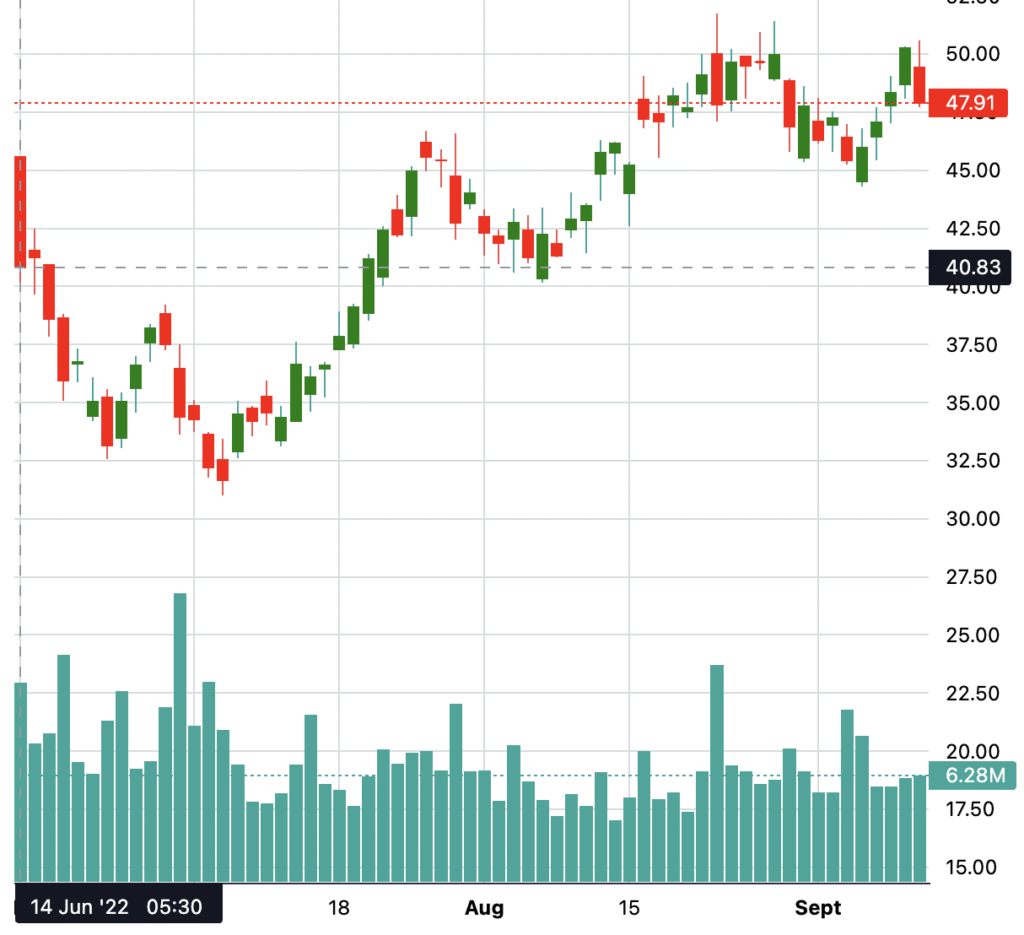
    14th June 2022 (-9.41%)

    After dropping approximately 9.4%, EQT’s price in June 2022 experienced a moderate rally over the following months, although it also suffered sharp declines at times. This mixed performance underscores that large drops don’t guarantee directionality—volatility may persist before a clearer trend emerges.

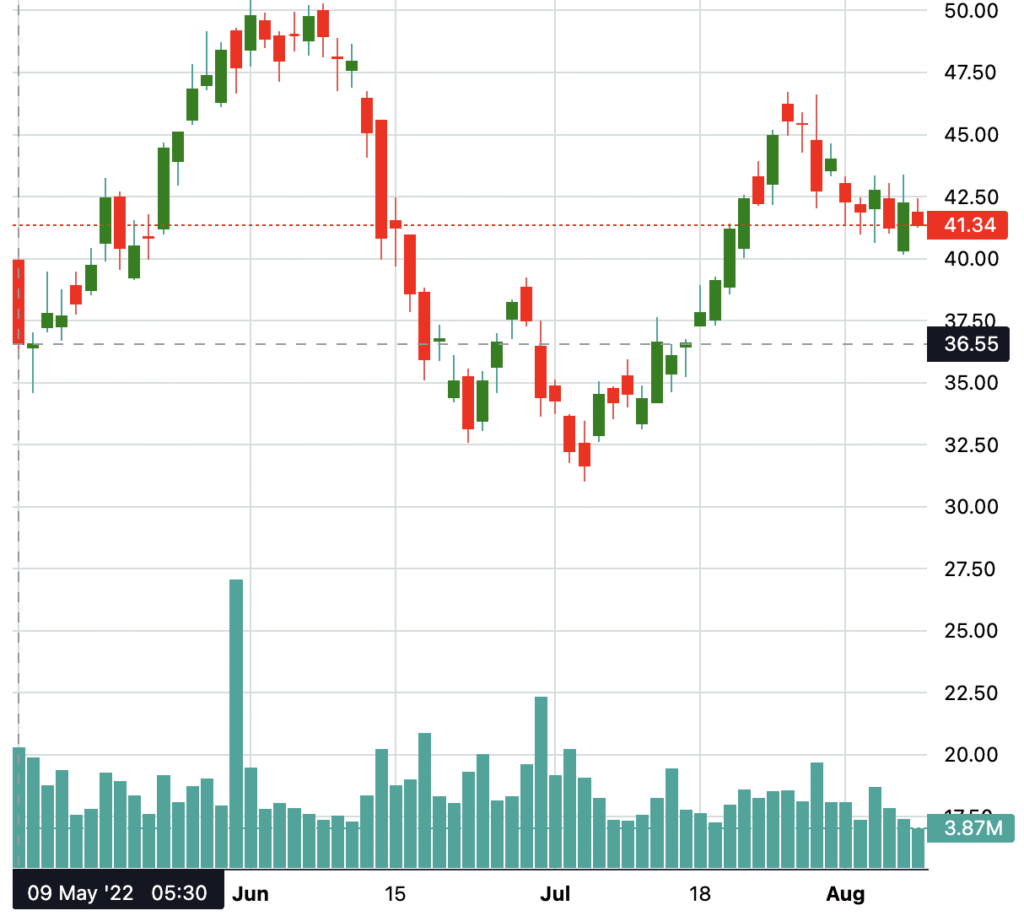
    9th May 2022 (-10.96%)

    In May 2022, EQT’s stock declined nearly 11%, yet within three months, it showcased high volatility without a clear trend, swinging sharply up and down. Such behavior suggests that large intraday declines may sometimes lead to indecisiveness in the market, especially absent fundamental or sector-specific catalysts.

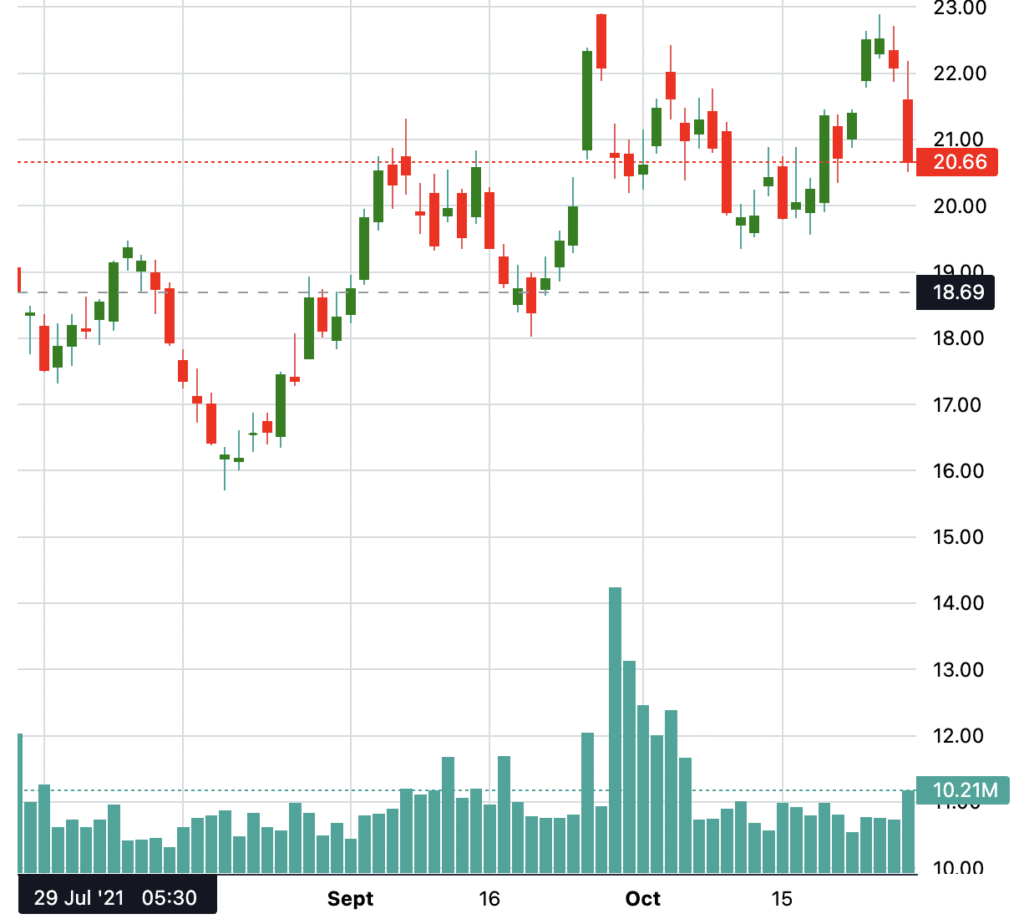
    29th July 2021 (-9.93%)

    In mid-2021, EQT experienced a roughly 10% drop, but over the subsequent three months, the stock ultimately moved higher, bucking the trend of continued decline. This rebound could have been driven by sector recovery, improved fundamentals, or broader market tailwinds.

    What Can We Learn From These Examples?

    Examining these past instances reveals that there is no consistent pattern following a large intraday drop. The stock can:

    • Experience a strong rebound (as seen in April 2025 and July 2021).
    • Enter a prolonged sideways or choppy phase (January 2025, May 2022).
    • Show high volatility with no clear trend (June 2022, May 2022).

    In other words, EQT’s subsequent three-month performance after a significant drop varies widely. External factors—sector conditions, macroeconomic trends, company-specific news—often influence these outcomes.

    Investment Takeaways

    • A large stock decline does not guarantee continued fallout; it can be a buying opportunity or just a temporary market reaction.
    • Investors should consider broader market conditions, earnings reports, and sector trends before making decisions based solely on short-term dips.
    • Diversification and proper risk management remain essential.

    Disclaimer

    The analysis above is purely educational and is based on historical data. Stock markets are unpredictable, and past performance does not guarantee future results. Always perform your own due diligence or consult a licensed financial advisor before investing.

    Data Source: All charts and data are sourced from Twelve Data, a third-party provider. While efforts are made to ensure accuracy, we do not guarantee the data’s authenticity or completeness.

    Final Thoughts

    While big drops can be intimidating, historical data shows they often don’t result in uniform outcomes. Whether EQT stock bounces back or remains volatile depends on many factors beyond just the percentage decline. As always, stay informed, diversify your portfolio, and invest wisely.

  • What happened after Netflix stock fell 5% in the past?

    Netflix fell more than 5% on Friday, 19th July 2025. Lets study how stock price fared in the next 3 months whenever $NFLX fell more than 5% in the past few years.

    4th April 2025 (-6.67%)

    As you can see from the chart the stock went up significantly in the next 3 months.

    6th Match 2025 (-8.53%)

    The stock price again moved reasonably higher in the following 3 months but this time period is very close to earlier instance.

    19th April 2024 (-9.09%)

    The stock price moved higher after 9% intraday fall.

    13th September 2023 (-5.16%)

    Though the stock price has moved higher in the subsequent 3 months it went down significantly before moving up.

    20th July 2023 (-8.41%)

    Unlike above given instances this time the price went down significantly in the following 3 months.

    Disclaimer:
    The information presented in this analysis is for educational and informational purposes only. It does not constitute financial advice or a recommendation to buy or sell any securities. Past stock movements are not indicative of future performance. All data used is sourced from third-party providers, and we do not guarantee its accuracy or authenticity. Please verify any information independently before making any investment decisions.